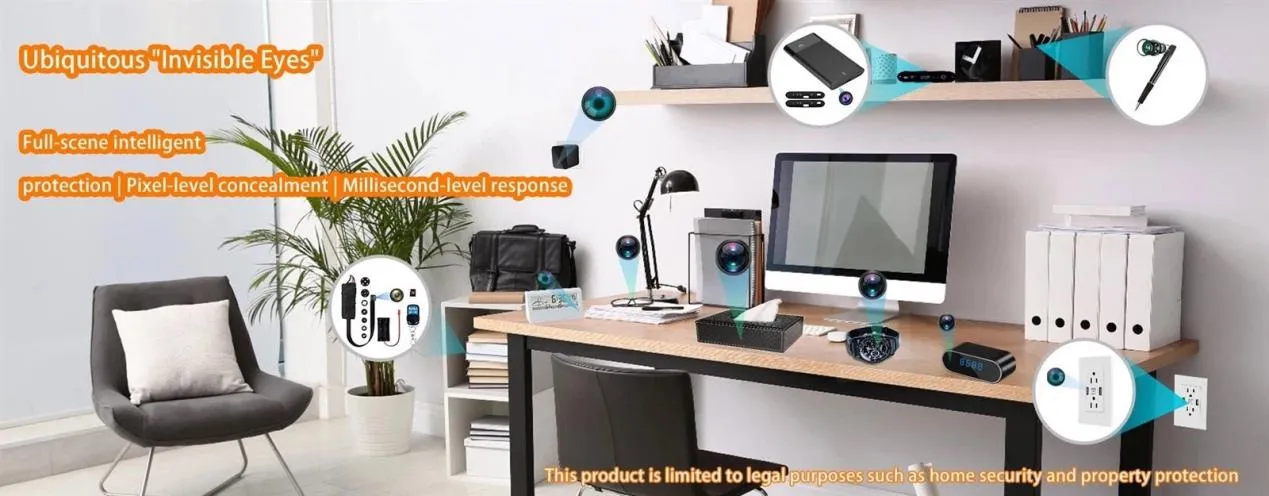

As a manufacturer specializing in hidden and covert surveillance cameras, we at Allcam have spent years developing compact recording devices for demanding applications. One product category that keeps coming up is 4K camera glasses. Customers often ask us the same question: Are 4K camera glasses actually worth it for first-person recording?
This article breaks down the real-world performance of 4K camera glasses from a technical and practical perspective. We will look at resolution quality, true first-person advantages, battery and storage limitations, and how these glasses compare with other recording tools. Our goal is to help you decide whether 4K versions make sense for your specific needs.
What Are 4K Camera Glasses and How Do They Deliver First-Person Recording?
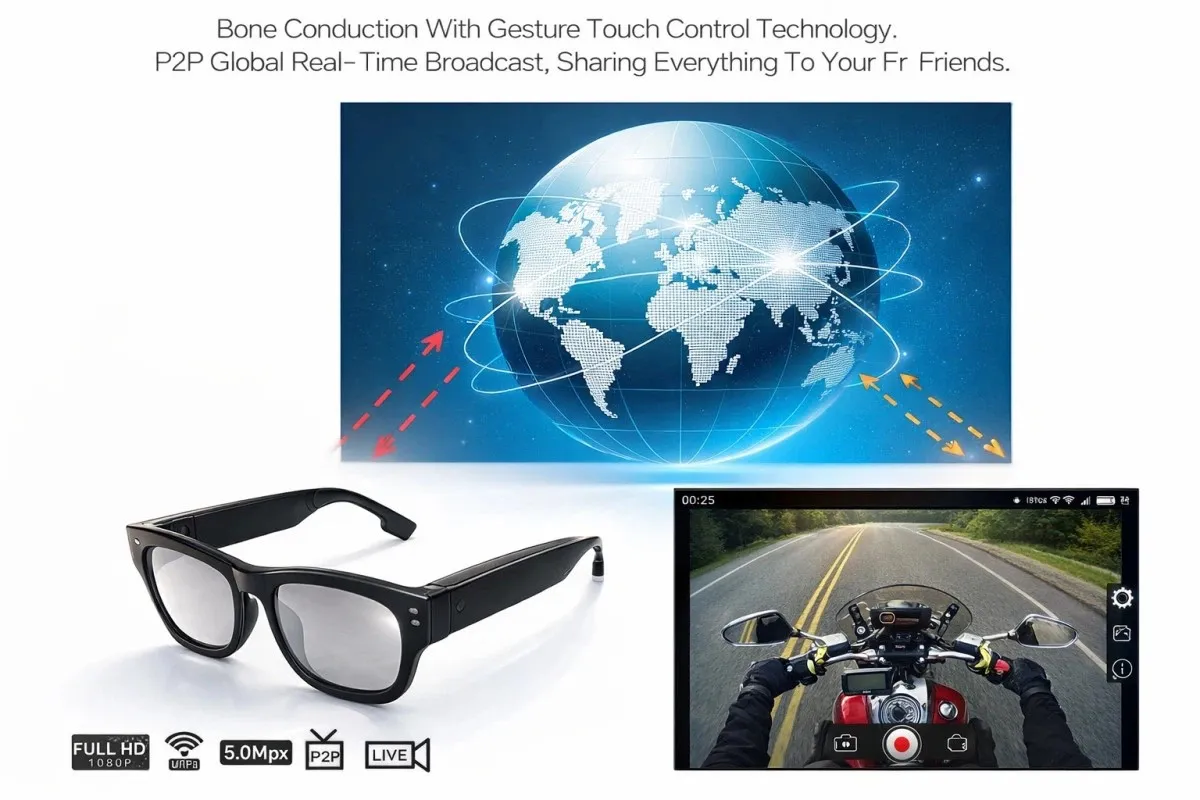
4K camera glasses are wearable recording devices with a small camera lens embedded directly into the frame, usually near the bridge or temple area. They capture video at 3840 × 2160 resolution while functioning as regular sunglasses or clear-lens glasses.
The key difference from traditional cameras lies in the recording angle. Because the lens sits close to eye level, these glasses deliver a genuine first-person viewpoint, also called POV (point-of-view) recording. You simply wear them and press a button or use voice control to start capturing exactly what you see, without holding anything in your hands.
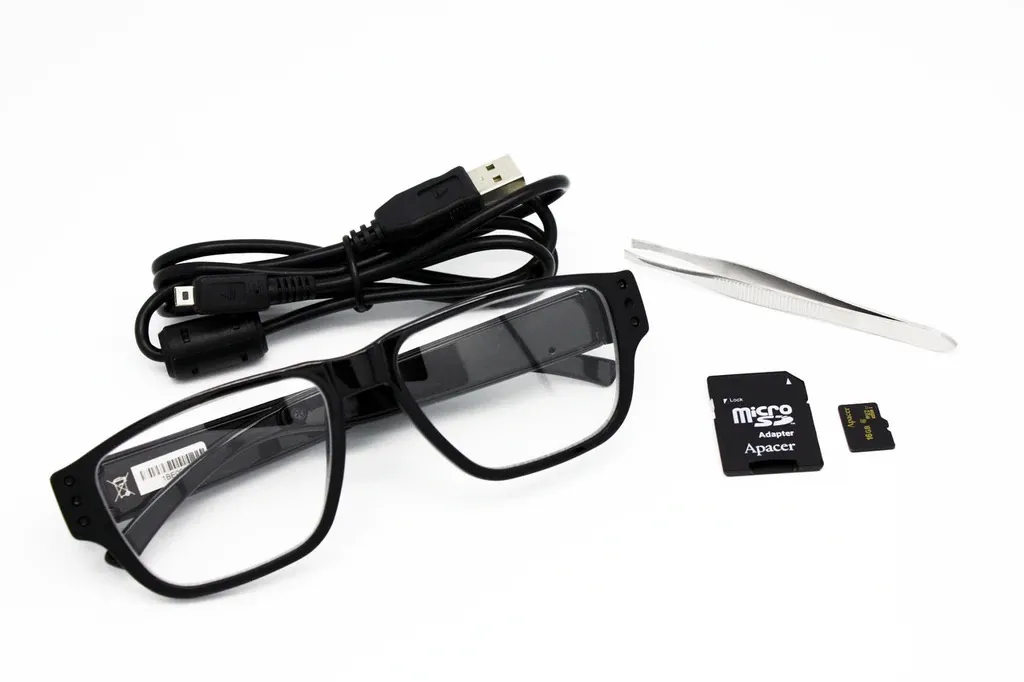
At Allcam, we focus on the hidden aspect of this design. Our models are built to look like ordinary eyewear so they draw minimal attention. This discreet recording capability is especially useful when you need natural, hands-free footage without making the subject aware they are being recorded.
Many versions also include Bluetooth connectivity, allowing you to pair the glasses with your phone and listen to music or take calls while recording. This combination of camera, sunglasses, and audio in one lightweight unit under 50 grams is what attracts users who want simplicity during outdoor activities.
Real-World Performance of 4K Resolution in Camera Glasses
4K resolution means roughly four times the pixels of standard 1080p. In theory, this delivers sharper details, better cropping flexibility in post-production, and clearer footage of distant objects or fast action.
In practice, results depend heavily on the tiny sensor size inside the glasses frame. During bright daylight and outdoor sports, 4K camera glasses can produce noticeably cleaner images with fine textures visible - useful when reviewing footage later for analysis or evidence.
However, low-light performance often falls short. The small lens aperture and compact sensor struggle with noise and limited dynamic range once lighting drops. Many users find 1080p versions actually deliver more usable footage indoors or during evening hours because the lower resolution handles noise better.
File size is another practical issue. 4K footage typically generates files 2 to 4 times larger than 1080p at the same frame rate. This quickly eats up internal storage and makes editing on standard computers more demanding. Most 4K models record at 30fps; higher frame rates are rare due to power and heat constraints.
From our experience supplying surveillance solutions, 4K shines when detail matters most - such as identifying faces at moderate distances or capturing small objects during movement. For casual daily recording, the jump from 1080p is often less dramatic than marketing suggests.
Core Advantages of First-Person Recording with Camera Glasses
First-person recording changes how footage feels. Instead of watching events from a third-person angle, viewers experience the scene exactly as the wearer sees it. This creates a more immersive result, especially in dynamic situations.
The hands-free design is the biggest practical benefit. You can run, cycle, climb, or work without constantly adjusting a camera. Because the lens follows your natural head movements, the footage tends to feel more stable than handheld recordings, though electronic stabilization still helps.
Discreet operation stands out for many of our clients. When the glasses look completely normal, you can document situations where holding up a phone or action camera would be awkward or impossible. This is particularly relevant for security, field documentation, and certain professional workflows.
For outdoor sports enthusiasts, Bluetooth support adds real convenience. You can listen to music or podcasts while the glasses quietly record in 4K. The combination turns a simple activity into a well-documented experience without extra gear.
In short, when you need natural eye-level perspective and minimal interference with your movements, camera glasses solve problems that chest mounts or helmet cams cannot.
Honest Pros and Cons of 4K Camera Glasses
After testing and supplying various versions over the years, here is our direct assessment:
Advantages
- Significantly sharper detail and better cropping options compared to 1080p
- True first-person perspective that feels more natural and immersive
- Highly discreet design suitable for covert or low-profile recording
- Lightweight and comfortable for extended wear
- Some models allow simultaneous music playback via Bluetooth
Disadvantages
- Battery life drops noticeably in 4K mode - typically 60 to 90 minutes of continuous recording versus 90 to 120 minutes in 1080p
- Larger file sizes put pressure on both internal storage and transfer/editing workflows
- Low-light performance remains a weak point due to small sensor limitations
- Built-in microphones often pick up too much wind or ambient noise
- Higher price - usually 20% to 40% more expensive than equivalent 1080p models
These trade-offs are real. We do not hide them. The question is whether your use case justifies the extra resolution and cost.
Practical tip from our engineering team: Always request sample footage in the exact lighting and movement conditions you plan to use. Manufacturer specifications rarely tell the full story.
Comparison with Other Recording Options
Choosing the right tool depends on priorities. Here is a clear comparison based on real field use:
|
Feature |
4K Camera Glasses |
1080p Camera Glasses |
Compact Action Cameras (e.g. Insta360 GO) |
Smart Glasses (e.g. Ray-Ban Meta) |
|
Resolution |
3840×2160 |
1920×1080 |
Up to 4K or higher |
Usually 1080p or lower |
|
Typical Battery Life |
60–90 min (4K) |
90–120 min |
60–150+ min |
30–60 min |
|
First-Person View |
Excellent (eye level) |
Excellent |
Good (but mounted) |
Good |
|
Discreet / Hidden Design |
High |
High |
Low |
Medium |
|
Hands-Free Convenience |
Very High |
Very High |
Medium |
High |
|
Low-Light Performance |
Average |
Better |
Good |
Average |
|
Audio Quality |
Basic (prone to wind noise) |
Basic |
Better (with external options) |
Improved with AI processing |
|
Best For |
Detail-focused covert POV |
Long sessions, casual use |
Action sports, longer recording |
Lifestyle + casual content |
Allcam 4K camera glasses sit in the first column but with stronger emphasis on true hidden design and surveillance-grade reliability. If discreet operation and eye-level perspective are non-negotiable, they often outperform bulkier action cameras.
Who Should Buy 4K Camera Glasses? Decision Guide
4K camera glasses make the most sense in these situations:
- You need fine detail for later analysis - such as sports coaching, security review, or professional documentation.
- Your work or activities involve moderate distances where extra resolution helps identify people or objects.
- You value highly discreet recording and natural first-person perspective more than maximum battery life.
- You are willing to manage shorter recording sessions and larger files.
Consider sticking with 1080p versions if:
- You regularly need recordings longer than 90 minutes.
- Most of your shooting happens in varying or low light.
- Budget is a major concern and you do not require heavy cropping in editing.
Before purchasing, check real sample videos, not just marketing clips. Pay attention to actual battery performance under load and how the glasses feel after 30–60 minutes of wear.
At Allcam we always recommend matching the resolution to the real requirement rather than chasing the highest number available.
Final Thoughts
4K camera glasses deliver clear benefits in detail and immersion for first-person recording, especially when discreet operation matters. At the same time, the shorter battery life, larger files, and weaker low-light behavior mean they are not the best choice for every user.
For customers whose work or activities truly benefit from eye-level 4K footage and hidden design, the investment often pays off. For general casual recording or very long sessions, 1080p versions frequently offer a more practical balance.
If you are evaluating 4K camera glasses for outdoor sports, field documentation, or professional surveillance applications, feel free to reach out. We can share recent Allcam sample footage and help match the right model to your exact requirements.
Visit our website to view current 4K hidden camera glasses specifications and request test videos. Our team is ready to answer technical questions based on real deployment experience.