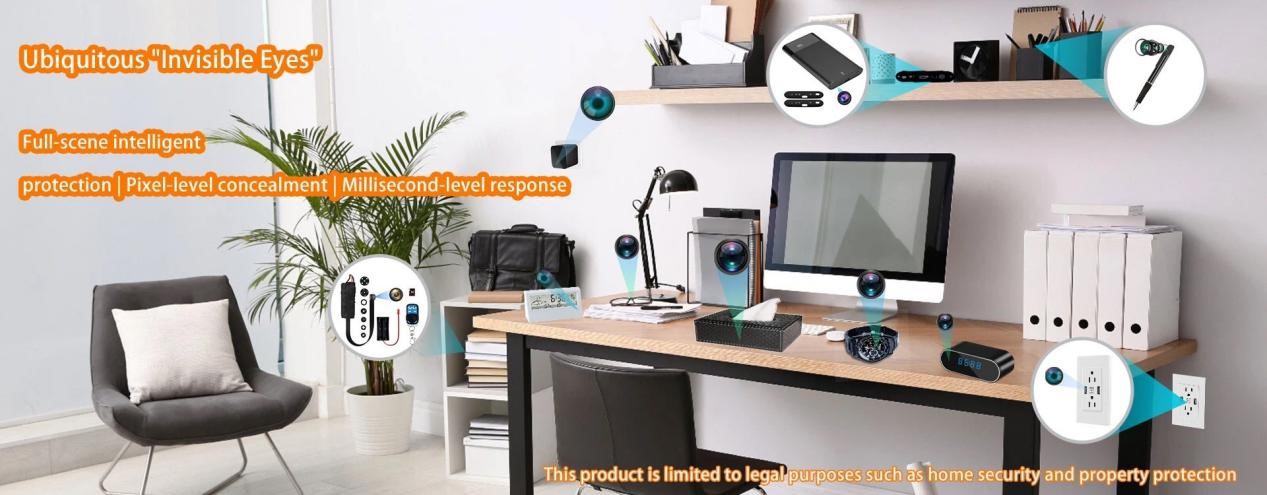

Yes, waterproof hidden cameras are available. Modern mini camera modules can be built into sealed housings, outdoor disguised structures, vehicle-mounted units, or custom OEM designs.
But the real question is not simply whether a hidden camera can be waterproof.
The real question is whether its IP rating, housing structure, lens sealing, cable protection, power design, and installation environment match the actual use case.
A camera described as "waterproof" on a product page may only handle light splashes. Another unit with a proper IP65 or IP66 structure may work reliably under rain, dust, and semi-outdoor exposure. For B2B buyers, this difference matters. A failed waterproof design does not only damage the camera. It creates returns, installation complaints, data loss, and brand risk.
Waterproof hidden cameras are real, but waterproof performance must be engineered. It is not just a marketing word.

What Is a Waterproof Hidden Camera?
A waterproof hidden camera is a discreet surveillance device designed with a protected lens window, sealed housing, moisture-resistant internal structure, and suitable power or cable protection for wet, humid, dusty, or outdoor environments.
It may look like a small outdoor device, sensor housing, equipment box, vehicle accessory, or another discreet enclosure. The camera module itself is usually small. The difficult part is not always the camera board. The difficult part is protecting everything around it.
A waterproof hidden camera usually needs several design elements working together:
- A sealed or semi-sealed outer housing
- Rubber gasket or silicone sealing structure
- Protected lens window
- Waterproof cable outlet or charging port
- Moisture protection for PCB and internal components
- Controlled assembly process
- Housing material suitable for outdoor exposure
This is where many low-quality products fail. The camera may work during a simple splash test, but water enters through the charging port, SD card slot, microphone hole, reset button, or cable outlet after a few weeks outdoors.
There is also a difference between water-resistant, weatherproof, waterproof, and submersible.
|
Term |
Practical Meaning |
Suitable Use |
|
Water-resistant |
Handles light splashes or mild humidity |
Indoor damp areas, short exposure |
|
Weatherproof |
Designed for outdoor weather such as rain, dust, and temperature change |
Semi-outdoor and outdoor security |
|
Waterproof |
Usually linked to a defined IP rating such as IP65, IP66, or IP67 |
Wet or exposed environments |
|
Submersible |
Can survive underwater conditions under stated limits |
Special applications, not common for most hidden cameras |
For hidden camera design, waterproofing is not only a protection feature. It affects the housing size, lens opening, cable layout, microphone design, heat dissipation, wireless signal, and final disguised appearance.
A good waterproof hidden camera is not simply small. It is small, protected, stable, and suitable for the environment where it will be installed.
Common IP Ratings for Waterproof Hidden Cameras
The most reliable way to judge waterproof performance is to look at the IP rating.
IP stands for Ingress Protection. It describes how well an enclosure protects against solid particles such as dust and liquids such as water. For waterproof hidden cameras, the second digit is especially important because it indicates water protection.
A product title saying "waterproof hidden camera" is not enough. Buyers should ask: What IP rating? Under what test condition? With which cable or port configuration?
IP54: Basic Dust and Splash Protection
IP54 offers limited dust protection and splash resistance. It can work in lightly humid or semi-indoor environments, such as a covered equipment cabinet, indoor warehouse corner, or sheltered corridor.
It is not suitable for direct rain exposure.
If a supplier calls an IP54 product an "outdoor waterproof hidden camera," that wording should be treated carefully. IP54 may be enough for mild moisture, but it is not a strong outdoor waterproof level.
IP65: A Practical Level for General Outdoor Use
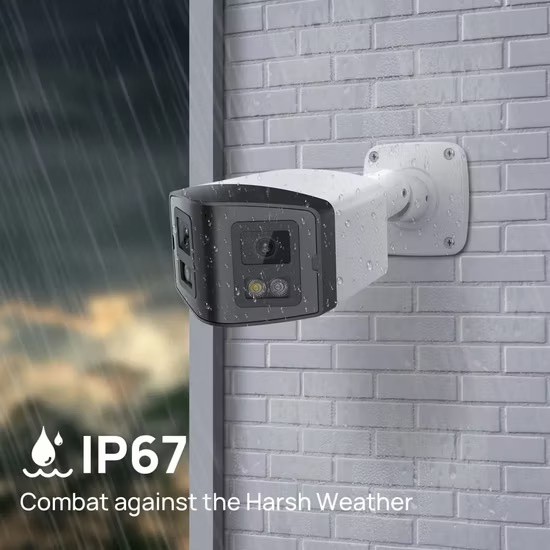
IP65 is a common and practical rating for many outdoor waterproof hidden camera designs. It is dust-tight and protected against low-pressure water jets.
This level can work well for:
- Building entrances
- Warehouse exterior walls
- Covered outdoor corridors
- Garden entrances
- Equipment rooms with occasional water exposure
IP65 does not mean the camera can be submerged. It also does not automatically mean every port is protected. If the housing is IP65 but the charging port or cable outlet is poorly sealed, the real product is not truly IP65 in the field.
IP66: Better for Heavy Rain and Exposed Positions
IP66 gives stronger protection against powerful water jets. For outdoor areas with heavier rain, wind-driven water, or more exposed installation positions, IP66 is often a better target.
A camera installed under a roof edge may only need IP65. A camera installed on an exposed warehouse wall, construction site post, or outdoor equipment area may need IP66.
Even then, the installation still matters. If the cable runs upward and lets water flow into the connector, even a good camera may fail. Waterproof design and installation direction must work together.
IP67: Short-Term Immersion Protection, Not Always the Best Choice
IP67 usually indicates protection against temporary immersion under defined conditions. It can be useful if the device has a risk of falling into water or being exposed to standing water for a short time.
But higher does not always mean better for hidden cameras.
A very tightly sealed housing can create new problems: heat buildup, weak microphone pickup, reduced WiFi signal, difficult maintenance, and larger product size. For many outdoor hidden camera projects, IP65 or IP66 is more practical than chasing IP67.
IP68: Special Immersion Use Requires Clear Test Conditions
IP68 may be used for higher-level immersion protection, but the exact depth and duration are not universal. One supplier's IP68 claim may not match another supplier's test condition.
For most B2B hidden camera projects, IP68 is not a normal requirement. It should only be considered when the actual application involves real immersion risk.
|
IP Rating |
Protection Level |
Suitable Hidden Camera Application |
Key Limitation |
|
IP54 |
Splash-resistant |
Semi-indoor or lightly humid areas |
Not suitable for direct rain |
|
IP65 |
Dustproof and water jet protection |
General outdoor covered areas |
Not for immersion |
|
IP66 |
Stronger water jet protection |
Exposed outdoor areas with heavy rain |
Cable sealing is critical |
|
IP67 |
Short-term immersion protection |
Special wet environments |
May affect heat, audio, and signal |
|
IP68 |
Higher immersion protection |
Special submersible applications |
Must confirm depth and duration |
The IP rating is only one part of the answer. A reliable waterproof hidden camera still needs good housing design, correct assembly, and proper installation.
Best Practical Applications for Waterproof Hidden Cameras
Waterproof hidden cameras are not for every environment. They are most useful where discreet monitoring is needed, but the device may face rain, humidity, dust, or outdoor temperature changes.
The right use case should always be legal, authorized, and technically suitable.
Outdoor Entrances and Building Perimeters
Outdoor entrances are one of the most practical uses for waterproof hidden cameras. Examples include side doors, back doors, warehouse entrances, parking areas, and gated access points.
These areas often need:
- Rain protection
- Dust resistance
- Night vision
- Stable power
- A discreet appearance
- Reliable local or remote recording
For example, a small waterproof hidden camera installed near a warehouse side entrance may need IP65 or IP66 protection, a 90° to 120° viewing angle, infrared night vision, and wired power for long-term use.
The camera should monitor the property owner's authorized area, not nearby private windows, bathrooms, or unrelated spaces.
Warehouses, Farms, and Equipment Areas
Warehouses, farms, and equipment zones are harsher than normal indoor spaces. Dust, moisture, insects, unstable lighting, and temperature changes are common.
A farm storage area may not need a fully submersible camera, but it may need a weatherproof hidden camera that can handle humidity, dust, and occasional rain. A warehouse loading area may need better cable protection because forklifts, pallets, and workers can damage exposed wiring.
In these environments, the housing matters as much as the camera module.
Industrial and Humid Environments
Some industrial sites have water vapor, oil mist, dust, or vibration. A normal indoor hidden camera will not survive long in these conditions.
For industrial use, buyers should look beyond "waterproof." The product may also need:
- Stronger housing material
- Better cable strain relief
- Anti-vibration mounting
- Moisture-resistant PCB treatment
- Wider working temperature range
A hidden camera used near machinery or equipment areas should be treated as part of a field device, not a small consumer gadget.
Temporary Outdoor Security Projects
Construction sites, outdoor exhibitions, temporary storage areas, and short-term asset protection projects often need fast deployment.
In these cases, battery-powered waterproof hidden cameras can be useful, but battery life must be judged realistically. A compact camera recording continuously will drain power much faster than one using motion detection. Cold weather can also reduce battery performance.
For temporary projects, the key trade-off is simple: flexible installation versus maintenance frequency.
Vehicle or Mobile Monitoring
Vehicle-related applications need more than water protection. They need vibration resistance, stable power, dust protection, and secure mounting.
A vehicle-mounted hidden camera may face rain, road dust, engine vibration, heat, and low-light conditions. A normal indoor unit placed inside a basic plastic case is not a reliable solution.
For vehicle or mobile use, waterproof design should be combined with mechanical stability.
Semi-Outdoor and Humid Indoor Areas
Not every wet environment is fully outdoor. Garages, basements, semi-open corridors, covered loading areas, and equipment cabinets may also require moisture protection.
These applications may not need IP67 or IP68. In many cases, IP54 to IP65 may be enough, depending on exposure.
The best choice is not the highest waterproof level. The best choice is the level that fits the real environment.
Buying Guide: How to Choose a Reliable Waterproof Hidden Camera
For B2B buyers, choosing a waterproof hidden camera is not just comparing resolution and price. A camera may offer 4K video, WiFi, night vision, and motion detection, but still fail outdoors if the structure is weak.
The selection process should start with the environment.
Check the IP Rating, Not Just the "Waterproof" Description
The word "waterproof" is often used loosely. A reliable product should clearly state its IP rating and explain the suitable environment.
Ask these questions before buying:
- Is the camera IP54, IP65, IP66, IP67, or IP68?
- Was the rating tested with the final housing?
- Are cable outlets and ports included in the waterproof design?
- Is the product suitable for rain, water jets, or immersion?
- What are the working temperature limits?
A waterproof claim without details is not enough for B2B procurement.
Inspect the Housing, Lens Window, and Sealing Points
Water usually enters through weak points, not the middle of the housing.
The most common risk areas are:
- Lens window
- Housing seam
- Cable outlet
- Charging port
- SD card slot
- Reset button
- Microphone hole
The lens window is especially important. It must protect the camera without causing reflection, fogging, image distortion, or water accumulation.
A good waterproof hidden camera design handles every opening. A poor design only makes the shell look sealed.
Choose the Right Power Method
Battery-powered waterproof hidden cameras are convenient for temporary or flexible installation. They work well when wiring is difficult.
But battery power has limits. Long recording time, WiFi transmission, cold weather, and frequent motion alerts all reduce battery life. The charging port also becomes a waterproof risk point.
Wired power is usually better for long-term outdoor projects. The trade-off is that cable routing and connector sealing must be done correctly.
Wireless is not always better, and wired is not always weaker.
The right power method depends on installation time, maintenance access, waterproof structure, and power stability.
Evaluate WiFi, 4G, Local Storage, and Data Security
Wireless transmission can reduce exposed ports, but it creates new issues.
A sealed waterproof housing may weaken WiFi signals. Metal structures, thick walls, outdoor distance, and installation height can also affect connection stability. For remote locations, 4G may be useful, but it increases power consumption and operating cost.
Local SD card storage is practical, but the card slot must be protected. If users need to remove the SD card frequently, the waterproof design must allow maintenance without damaging the seal.
For professional projects, data security should not be ignored. Firmware stability, password management, encrypted transmission, and supplier support matter more than a slightly lower unit price.
Balance Night Vision, Viewing Angle, and Discreet Appearance
Outdoor monitoring often needs night vision. But infrared LEDs, lens size, and transparent windows can make the camera more visible.
Wide-angle lenses are useful for entrances, parking areas, and warehouse corners. A 120° lens may cover more area than a narrow lens, but it may also create edge distortion. A very small pinhole lens may look more discreet, but it may sacrifice low-light performance.
There is always a trade-off between image performance and disguise quality.
A reliable supplier should explain that trade-off, not hide it.
Consider Heat Dissipation and Condensation
A sealed housing protects against water, but it also traps heat. WiFi modules, image sensors, batteries, and processors all generate heat during operation.
Condensation is another issue. Outdoor temperature changes may create moisture inside the housing, especially when the device moves between warm daytime and cold nighttime conditions. Once condensation reaches the lens window or PCB, the camera may show foggy images or fail over time.
Waterproof hidden cameras need a balance between sealing, heat control, moisture resistance, and material stability.
Do Not Choose Only by Lowest Unit Price
Low-price waterproof hidden cameras can look attractive, especially for large orders. But in B2B projects, the cheapest option often becomes expensive after returns, field failures, and inconsistent batches.
A professional buyer should check:
- Production consistency
- Housing material quality
- Firmware stability
- Waterproof structure
- Supplier documentation
- Packaging support
- Long-term supply capability
- OEM / ODM customization ability
For brands, distributors, and project buyers, supplier reliability is part of product reliability.
Can Allcam Customize Waterproof Hidden Cameras for B2B Projects?
Yes. For B2B projects, waterproof hidden camera development usually starts with the application environment, not the camera module alone.
Before choosing a design, the buyer should define where the camera will be installed. A semi-outdoor entrance, a vehicle exterior, a farm storage area, and an industrial equipment zone do not require the same structure.
Allcam can help evaluate and customize waterproof hidden camera solutions based on practical project needs, including:
- Waterproof housing design
- IP65 / IP66 structure planning
- Mini camera module selection
- Lens window sealing
- Cable outlet and charging port protection
- WiFi, SD card, battery, or wired power configuration
- Outdoor disguised appearance design
- Logo, packaging, accessories, and documentation customization
For example, a brand may want a small outdoor hidden camera with WiFi and SD card recording. The key question is not only whether the camera module supports those functions. The key question is whether the housing can protect the SD card slot, maintain WiFi signal, manage heat, and still look natural after installation.
That is where OEM / ODM design matters.
A standard model may work for simple use. A project-based product usually needs structural adjustment before production.
Waterproof Does Not Mean Unlimited Outdoor Use
Waterproof does not mean maintenance-free. It also does not mean the camera can survive every outdoor condition.
Even IP65, IP66, IP67, or IP68 devices have limits. Real outdoor environments are more complex than controlled lab tests.
A waterproof hidden camera may still fail under:
- Long-term immersion
- High-pressure washing
- Salt spray
- Corrosive environments
- Extreme heat
- Long-term freezing conditions
- Direct UV exposure
- Poor cable sealing
- Lens window water accumulation
- Aging rubber gaskets
- Internal condensation
Salt spray is a good example. A camera may pass rain exposure but fail near coastal areas because salt accelerates corrosion. The same applies to industrial areas with chemical vapor or oil mist.
UV aging is another common issue. Plastic housings can become brittle, yellow, or cracked after long outdoor exposure if the material is not selected properly.
Waterproof hidden cameras should always be selected according to the real installation environment, including rain exposure, dust level, cable sealing, temperature range, housing durability, and maintenance conditions.
The word "waterproof" tells only part of the story. Long-term outdoor reliability depends on design, material, installation, and maintenance.
Legal Considerations and Privacy Best Practices
Waterproof capability does not change privacy obligations.
A camera that can work in rain or humid conditions still must be used legally. This point is especially important for hidden cameras because the device is designed to be discreet.
Install Only in Authorized Areas
Waterproof hidden cameras should be installed only in areas where the buyer, property owner, business, or project operator has legal authority to monitor.
Reasonable examples may include:
- A company's own warehouse entrance
- Outdoor equipment areas
- Authorized vehicle management zones
- Private property perimeters
- Business loading areas
Even then, local rules may require notice, signage, employee policy, or customer disclosure.
Do Not Use Hidden Cameras in Private Spaces
Waterproof capability does not make a hidden camera appropriate for private spaces.
Hidden cameras should not be installed in bathrooms, changing rooms, bedrooms, hotel rooms, locker rooms, or any area where people have a reasonable expectation of privacy.
This should not be treated as a small compliance detail. Misuse of hidden cameras can lead to criminal charges, civil claims, platform bans, product complaints, and serious brand damage.
Audio Recording Requires Extra Caution
Audio recording is often more restricted than video recording. In some regions, all parties must consent before a conversation can be recorded. In other regions, one-party consent rules may apply.
A waterproof hidden camera with a microphone creates an extra legal risk. It also creates a design challenge because microphone openings can weaken waterproof performance.
If audio is required, buyers should confirm both the technical structure and the legal requirements in the target market.
B2B Buyers Should Check Local Rules Before Deployment
Manufacturers can provide product specifications, technical documentation, and general use guidance. They cannot replace local legal review.
Brands, distributors, installers, and project buyers should confirm the laws in the country, state, or region where the camera will be sold or installed.
A legally safe product strategy is better than fixing problems after misuse.
Conclusion
Waterproof hidden cameras do exist. But a reliable waterproof hidden camera should be judged by more than the product name.
The real evaluation should include IP rating, housing structure, lens sealing, cable or port protection, power method, heat control, wireless performance, installation environment, and legal use. For many outdoor and semi-outdoor projects, IP65 or IP66 is often more practical than chasing the highest waterproof level. For special wet, dusty, industrial, vehicle, or long-term outdoor environments, the product should be selected or customized according to the actual site conditions.
Allcam supports B2B customers with waterproof hidden camera development, including appearance design, camera module selection, waterproof structure evaluation, power configuration, packaging, and OEM / ODM production. If your brand or project needs a custom waterproof hidden camera solution, contact Allcam to discuss the application environment and product requirements before production.
FAQ
Are all hidden cameras waterproof?
No. Most hidden cameras are designed for indoor or dry environments. A real waterproof hidden camera needs a sealed housing, protected lens window, waterproof port or cable design, and a clear IP rating such as IP65, IP66, or IP67.
What IP rating is best for outdoor hidden cameras?
For general outdoor use, IP65 or IP66 is usually practical. IP65 can work for covered outdoor areas and light water exposure. IP66 is better for heavier rain or more exposed positions. IP67 is useful only when temporary immersion is a real risk.
Can waterproof hidden cameras be used in heavy rain?
Yes, some models can be used in heavy rain, but the product should have a suitable IP rating, preferably IP66 for exposed conditions. Installation angle, cable sealing, housing material, and lens window design also affect real performance.
Can waterproof hidden cameras be used underwater?
Some IP67 or IP68 cameras may support temporary immersion, but most hidden camera projects do not need underwater use. Buyers should confirm the exact water depth, duration, and test conditions before treating any device as submersible.
Can waterproof hidden cameras record audio?
Technically, yes. But audio recording may be restricted by local law, and the microphone opening can make waterproof design more difficult. If audio is required, both legal compliance and waterproof structure should be reviewed carefully.
Are battery-powered waterproof hidden cameras reliable?
They can be reliable for temporary or flexible installations. For long-term outdoor projects, battery life, temperature range, charging port protection, and maintenance access must be checked. Wired power may be more stable if the cable outlet is properly sealed.
Can waterproof hidden cameras support WiFi or 4G?
Yes. Many waterproof hidden cameras can support WiFi or 4G, but sealed housings, metal structures, walls, and long distances may weaken signal quality. For B2B projects, wireless performance should be tested in the actual installation environment.