


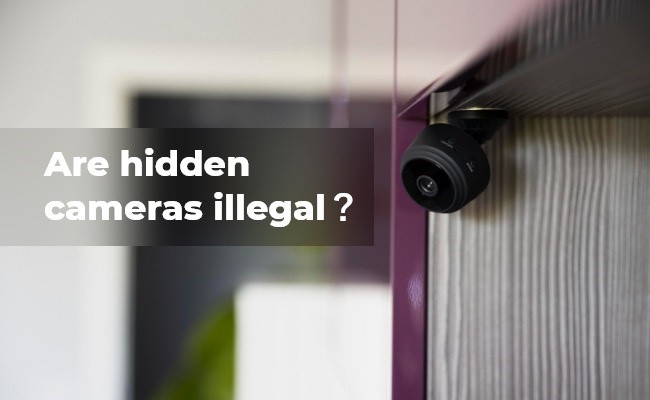
Hidden cameras are generally legal to own in Canada. The legal risk starts when the camera is used in the wrong place, records the wrong type of information, or invades someone's reasonable expectation of privacy.
A hidden camera used to protect a front door, garage, warehouse, or child activity area is very different from a hidden camera placed in a bathroom, guest bedroom, rental unit, hotel room, or workplace break room. The device may look similar. The legal meaning is not the same.
Audio makes the issue even more sensitive.
A video-only hidden camera used for lawful security monitoring may carry lower risk than a device that secretly records private conversations. For Canadian buyers, hidden camera manufacturer , businesses, landlords, and distributors, the safest approach is simple: treat hidden cameras as security devices, not spying tools.
This article gives a practical overview of hidden camera laws in Canada, common legal risks, safer use cases, and what buyers should check before using or selling hidden cameras in the Canadian market.
This is general information, not legal advice. For specific cases, users should check federal, provincial, rental, workplace, and platform rules, or consult a local legal professional.
Quick Answer: Are Hidden Cameras Legal in Canada?
Hidden cameras are not illegal by default in Canada. Owning a hidden camera is usually not the problem. The legal risk depends on how, where, and why the camera is used.
A hidden camera is more likely to be defensible when it meets three conditions:
- It serves a lawful purpose, such as security, child safety, elder care, or asset protection.
- It is necessary for that purpose.
- It minimizes privacy intrusion.
That last point matters. A camera facing your own driveway is not the same as a camera facing a neighbour's bedroom window. A nanny camera in a living room is not the same as a hidden camera in a bathroom. A warehouse camera aimed at inventory shelves is not the same as a hidden camera used to secretly monitor employees during private conversations.
Canadian law and privacy guidance focus heavily on privacy boundaries. Hidden cameras can become high-risk when they record people in private spaces, capture private conversations, target tenants or guests, or are used for voyeurism, harassment, stalking, blackmail, or other unlawful purposes.
The key question is not only "Is the camera hidden?"
The better question is: Does this camera record someone in a place or situation where they reasonably expect privacy?
If the answer is yes, the setup is risky. If audio is also recorded, the risk becomes even higher.
The Key Legal Principle: Reasonable Expectation of Privacy
A "reasonable expectation of privacy" means that a person has a reasonable basis to believe they will not be recorded, watched, or listened to in a certain place or situation.
This concept is central to hidden camera use in Canada.
It is not only about who owns the property. A homeowner owns the house, but that does not mean a hidden camera can be placed in a guest bedroom or bathroom. A business owns its warehouse, but that does not mean it can secretly record staff in washrooms, changing areas, or private break spaces.
Privacy depends on the space, the activity, and the relationship between the people involved.
Areas With High Privacy Expectations
Hidden cameras should not be installed in areas where people undress, sleep, wash, receive private care, or conduct personal activities.
High-risk locations include:
|
Location |
Risk Level |
Why It Is Sensitive |
|
Bathroom |
Very high |
People expect full privacy |
|
Changing room |
Very high |
People may undress |
|
Guest bedroom |
Very high |
Sleeping and private activity |
|
Rental bedroom |
Very high |
Tenant private living space |
|
Hotel room |
Very high |
Guest private accommodation |
|
Airbnb bedroom or bathroom |
Very high |
Private short-term rental space |
|
Medical or care space |
High |
Sensitive personal activity |
|
Nanny's private room |
High |
Worker's private space inside the home |
These areas should be treated as prohibited or extremely high-risk for hidden camera use.
A hidden camera in a bathroom is not a "security device." It is a serious privacy violation.
Areas With Lower Privacy Expectations
Some areas have lower privacy expectations, especially when the purpose is security and the camera is limited to necessary coverage.
Examples include:
- front doors
- driveways
- garages
- warehouse aisles
- retail entrances
- loading areas
- inventory rooms
- shared business entrances
- child activity rooms, when used carefully for safety
Even here, placement matters. A driveway camera should not be angled into a neighbour's bedroom window. A warehouse camera should not be used to secretly monitor private employee conversations. A camera in a shared business area should have a clear security purpose.
Property ownership does not give unlimited recording rights.
For hidden cameras, the safest setup is narrow, purpose-driven, and privacy-aware. The wider the field of view, the more likely the camera may capture people or spaces it should not.
Video Recording vs. Audio Recording: Why Audio Is More Sensitive
Video recording and audio recording are not the same legal issue.
Video surveillance usually raises questions about placement, field of view, privacy expectation, purpose, and data handling. Audio recording raises an additional problem: it may capture private communications.
That is why hidden cameras with microphones need extra caution in Canada.
Why Video and Audio Are Treated Differently
A video-only camera pointed at a warehouse entrance may be used to check who enters the building after hours. That is a common security purpose.
A hidden camera with audio placed in an office may record staff conversations, customer complaints, HR discussions, pricing negotiations, or private calls. That is a very different situation.
The microphone changes the risk profile.
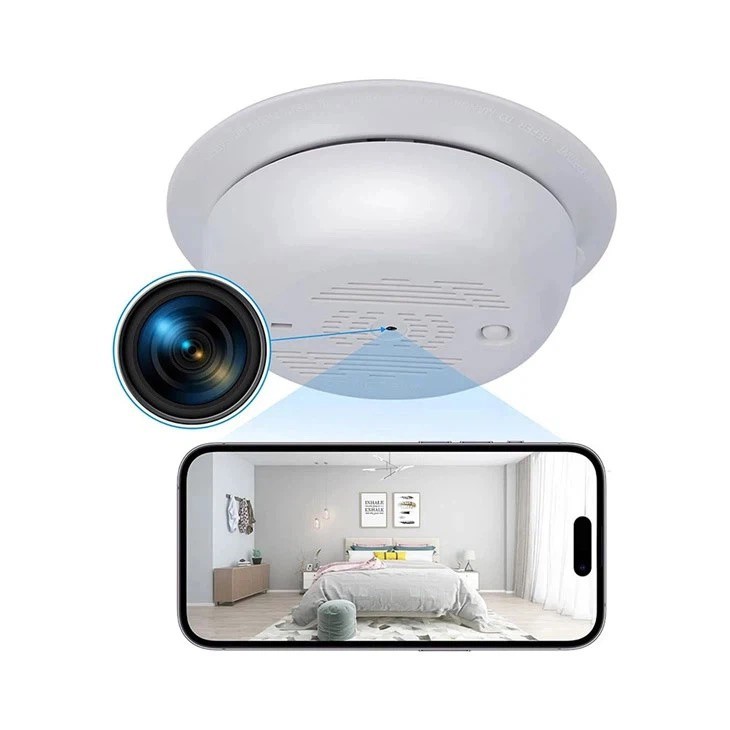
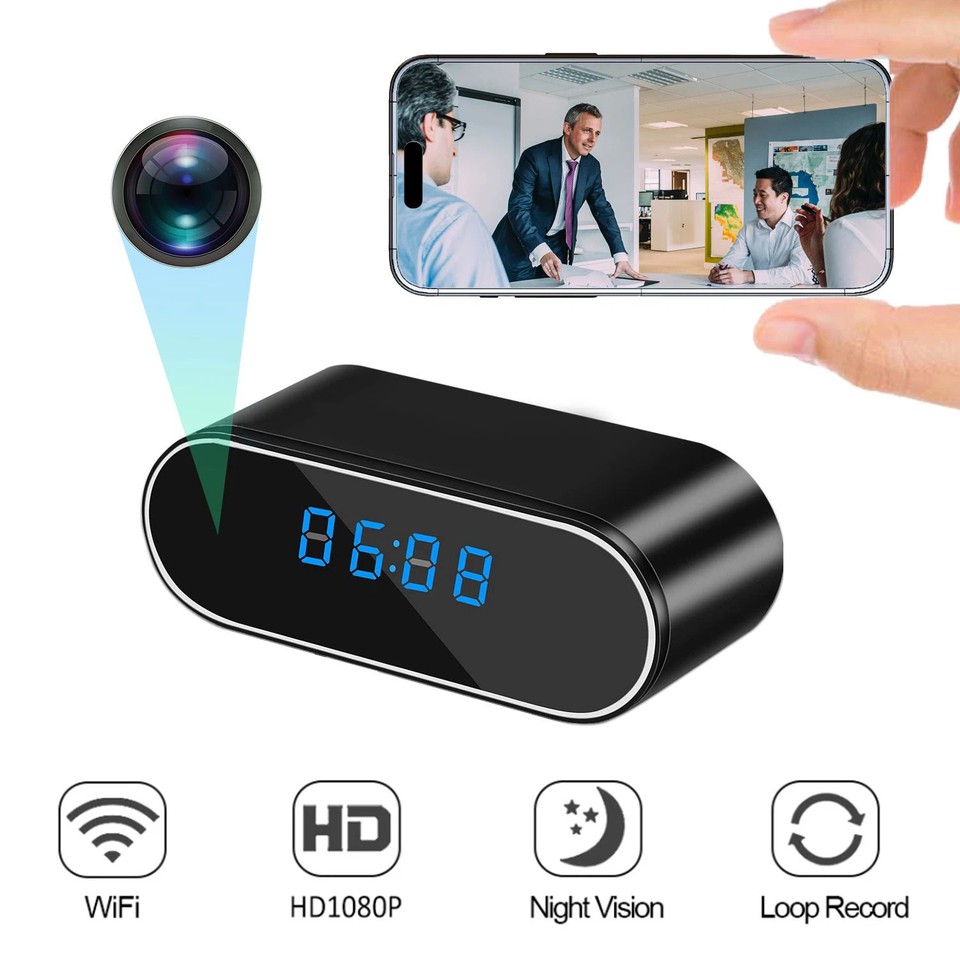
Many modern hidden cameras include WiFi transmission, app live view, motion detection, microSD card recording, and built-in microphones. From a product perspective, these features are useful. From a compliance perspective, they need control.
A hidden camera should not secretly collect more information than the security purpose requires.
Why Hidden Cameras With Audio Need Extra Caution
For general security use, disabling audio is often the safer choice.
Before using a hidden camera with audio, buyers should check:
- Does the device have a built-in microphone?
- Is audio recording enabled by default?
- Can audio recording be turned off?
- Does the device support video-only mode?
- Could the camera record private conversations?
- Does the product manual warn against illegal recording?
- Is the device being used for security, or for secret monitoring of people?
For B2B buyers and distributors, this point is not minor. If a product is sold into the Canadian market, the product page, user manual, app instructions, and packaging should avoid implying that the device can be used to secretly record conversations.
A hidden camera with audio is not automatically illegal, but it is easier to misuse. A video-only security setup is often cleaner for ordinary home, warehouse, and business monitoring.
When Hidden Cameras Are More Likely to Be Legal in Canada
Hidden cameras are more likely to be defensible when they are used for lawful security purposes in areas with lower privacy expectations.
The safest use cases usually involve property protection, child safety, elder care, asset monitoring, or controlled business security.
Home Security and Property Protection
Homeowners may use cameras to protect their property. Common examples include front doors, garages, driveways, back entrances, storage rooms, and areas where packages are delivered.
A hidden camera used to monitor a garage door after repeated break-in attempts is easier to justify than one aimed at a neighbour's backyard.
The camera should be positioned narrowly. It should cover the security target, not the daily life of people around the property.
A good setup may include:
- a narrow field of view
- motion-triggered recording
- no audio recording
- password-protected app access
- limited footage retention
- no recording of neighbouring windows or private areas
The goal is security, not surveillance of people who are outside the security problem.
Nanny Cameras and Caregiver Monitoring
Nanny cameras are one of the most common hidden camera categories. In Canada, they are not automatically illegal, but placement and audio settings matter.
A nanny camera in a living room, playroom, or shared family area may be used for child safety or elder care. The purpose is to check the safety of a child, senior, or vulnerable family member.
That does not mean every area of the home is acceptable.
A nanny camera should not be placed in:
- bathrooms
- changing areas
- a nanny's private room
- guest bedrooms
- areas where a caregiver may sleep, change clothes, or conduct private activities
Audio also needs caution. A camera that records video in a playroom is one thing. A device that secretly records private conversations between a caregiver and another adult is another.
The cleanest positioning for nanny cameras is: child safety, elder care, and shared-space monitoring.
Not hidden surveillance of a caregiver's private life.
Business Security and Asset Protection
Businesses may need cameras for theft prevention, inventory protection, entrance monitoring, equipment security, or incident investigation.
Typical use cases include:
- warehouse aisles
- loading docks
- stockrooms
- retail entrances
- cash handling areas
- restricted equipment rooms
- vehicle storage areas
For routine business surveillance, visible security cameras with signage are usually safer than hidden cameras. Hidden cameras are harder to justify because they reduce transparency.
A hidden camera may be considered in narrow situations, such as repeated theft in a storage area where visible cameras have failed. Even then, the business should limit scope, avoid private spaces, control access to footage, and document the security purpose.
A hidden camera should not become a shortcut for watching employees more closely.
Public-Facing or Shared Areas
Public-facing and shared areas often have lower privacy expectations, but they are not privacy-free zones.
A camera in a retail entrance is different from a camera in a washroom hallway angled toward a bathroom door. A camera in a warehouse aisle is different from a camera aimed at a staff rest area.
For shared or public-facing areas, the safer approach is:
- keep coverage limited
- avoid audio where possible
- use clear signage in business settings
- avoid private conversations
- restrict live view and playback access
- delete old footage when no longer needed
Hidden cameras become easier to defend when the monitoring is narrow, necessary, and tied to a real security issue.
When Hidden Cameras Are High-Risk or Illegal
Hidden cameras become high-risk when they enter private spaces, record private conversations, target specific people without a lawful reason, or are used for non-security purposes.
Misuse can create criminal, civil, employment, rental, platform, and reputational risks.
Bathrooms, Bedrooms, and Changing Areas
Bathrooms, changing rooms, and bedrooms are the clearest danger zones.
Hidden cameras should never be installed in places where people may undress, shower, sleep, or conduct private activities. That includes guest bedrooms, hotel rooms, rental bedrooms, and Airbnb private spaces.
There is no good security argument for a hidden camera inside a bathroom.
Even if the property owner says the camera is for "safety," the location itself creates a serious privacy problem. For manufacturers, distributors, and installers, this boundary should be stated clearly in manuals and usage warnings.
Secret Audio Recording and Private Conversations
Secret audio recording is another high-risk area.
A hidden camera with a microphone may capture private conversations between tenants, employees, family members, caregivers, guests, customers, or contractors. That can move the device beyond simple security monitoring.
Sensitive examples include:
- recording a nanny's private phone call
- recording tenant conversations inside a rental unit
- recording staff discussions in an office
- recording customer conversations without a clear business purpose
- recording family disputes or partner conversations secretly
If video is not enough for the stated security purpose, the user should ask why audio is needed at all. In many cases, it is not.
Neighbour-Facing Cameras and Over-Monitoring
A camera installed on your own property can still cause legal trouble if it records someone else's private life.
Neighbour-related risk often comes from angle and persistence. A camera pointed at a driveway is one thing. A camera pointed at a neighbour's bedroom window, backyard pool, or patio is different.
Over-monitoring can look like harassment even when the device is physically installed on the owner's land.
Buyers should avoid:
- recording neighbour windows
- aiming cameras into backyards
- capturing swimming pools
- monitoring children playing on neighbouring property
- using cameras to provoke or intimidate neighbours
- installing devices on or over another person's property
The camera should solve a security problem on the user's property. It should not create a privacy problem on someone else's property.
Landlords Monitoring Tenants
Landlord use of hidden cameras is especially sensitive.
A landlord should not install hidden cameras inside a tenant's private living space. That includes bedrooms, bathrooms, living rooms, kitchens inside the rental unit, or any area where the tenant lives privately.
Exterior cameras may be used in some situations, such as entrances, parking areas, or building access points. Even then, the camera should be disclosed, limited in angle, and not aimed at private tenant activity.
Apartment and condo settings add another layer. Hallways, shared entrances, and common areas may be controlled by a landlord, condo board, or building policy. Tenants may need permission before installing hardware, especially if drilling, wiring, or recording shared areas is involved.
Rental property is not a free zone for hidden surveillance.
Hotels, Airbnb, and Short-Term Rentals
Hotels, Airbnb units, and short-term rentals are high-risk environments for hidden cameras.
Guests have a strong expectation of privacy in bedrooms, bathrooms, and private living areas. Undisclosed indoor cameras can also violate platform rules, trigger customer complaints, and destroy brand trust.
For property owners, the safest rule is simple: do not use hidden cameras in private guest spaces.
If exterior cameras are used for entry security, parking, or property protection, they should be disclosed and limited to appropriate areas. They should not capture private guest activity.
Voyeurism, Harassment, Stalking, or Blackmail
Hidden cameras cannot be used for voyeurism, harassment, stalking, blackmail, partner monitoring, or collecting embarrassing or sexual images.
This point should not be softened.
Any device marketed or used for these purposes creates legal and ethical risk. It also damages the legitimate hidden camera industry, where many products are designed for home safety, elder care, asset protection, and lawful security monitoring.
A hidden camera becomes dangerous when the purpose shifts from security to control, intimidation, or exploitation.
Hidden Cameras at Work in Canada: What Employers Should Consider
Workplace surveillance is one of the most sensitive hidden camera topics in Canada.
Employers may have real security concerns. Warehouses lose inventory. Retail shops face theft. Offices may need access control. Factories may need evidence after safety incidents.
But hidden cameras should not be the default answer.
For most routine workplace monitoring, visible cameras, signage, and written policies are safer. They make the purpose clear and reduce the risk of employees feeling secretly watched.
Before using hidden cameras at work, employers should be able to answer these questions:
- Is there a legitimate security need?
- Is a hidden camera necessary?
- Would a visible camera solve the problem?
- Has the business informed employees about surveillance policies?
- What data is being collected?
- Who can access the footage?
- How long will footage be stored?
- Does the camera avoid washrooms, changing rooms, break rooms, and private areas?
- Is the monitoring proportional to the risk?
A hidden camera may be easier to justify in a narrow investigation, such as repeated inventory loss in a restricted stockroom. It is much harder to justify as a general employee productivity tool.
There is also a trust issue. Secret workplace surveillance can damage staff morale, even when the employer has a security concern. If the same result can be achieved with visible CCTV, access control, inventory logs, or alarm systems, those options are usually better.
For B2B security buyers, this affects product selection. A compact camera with adjustable angle, video-only mode, restricted app access, and configurable storage may be more appropriate than a fully covert camera with always-on audio.
Workplace hidden cameras should be limited, documented, and used only when the security need is serious enough to support the intrusion.
What Canadian Buyers Should Check Before Using a Hidden Camera
Buying the camera is easy. Using it correctly is the hard part.
Canadian buyers should check the device, the location, the data path, and the purpose before installing a hidden camera.
Check Whether the Camera Records Audio
The first feature to check is audio.
Many hidden cameras include a microphone by default. Some users do not notice until after setup. For Canadian security use, this can create unnecessary risk.
Buyers should confirm:
- Does the device record audio?
- Can audio be disabled?
- Is audio off by default?
- Does the device support video-only recording?
- Does the app show audio settings clearly?
For many home and business security applications, video-only mode is the cleaner option.
Check the Installation Location
Location decides most of the risk.
Before installation, ask:
- Is this area under my control?
- Is it a private space?
- Could someone undress or sleep here?
- Could the camera record a neighbour's window or backyard?
- Could it capture tenant, guest, employee, or caregiver private activity?
- Can the angle be narrowed?
A good hidden camera installation should have a defined target: a doorway, inventory shelf, garage entrance, cash drawer, child play area, or equipment zone.
If the target is "watching a person," the use case needs serious reconsideration.
Check Storage, App Access, and Data Security
Modern hidden cameras are no longer simple recording devices. Many include WiFi, cloud storage, app control, live view, motion alerts, and remote playback.
These features are useful, but they create data responsibilities.
Buyers should check:
|
Feature |
What to Check |
Why It Matters |
|
WiFi connection |
Secure password and app login |
Prevents unauthorized access |
|
Cloud storage |
Where footage is stored |
Affects privacy and data control |
|
Local storage |
microSD capacity and overwrite settings |
Controls retention period |
|
App access |
Who can view live feed |
Limits misuse |
|
Motion detection |
Whether recording is continuous or triggered |
Reduces unnecessary footage |
|
Playback sharing |
Can clips be exported or shared? |
Prevents careless distribution |
|
Firmware updates |
Device security support |
Reduces hacking risk |
A hidden camera that records everything, stores it indefinitely, and allows multiple people to access the feed is harder to defend than a narrowly configured device with limited access.
Check Notice, Signage, and Disclosure Needs
Disclosure depends on the setting.
In a private home, users may not use signage in every situation. In a business, workplace, condo, rental building, or customer-facing area, transparency matters more.
For routine business surveillance, visible cameras and clear signage are usually safer than hidden cameras. A posted sign does not solve every privacy issue, but it helps show that surveillance is not being concealed from customers, visitors, or staff.
Hidden cameras and signage may sound contradictory, but the deeper issue is purpose. If the goal is routine security, a visible system is often the better choice. If the goal is a narrow investigation, the business should document why a hidden device is necessary.
Check Product Instructions and Legal Warnings
For importers, brand owners, and distributors, product documentation is part of risk control.
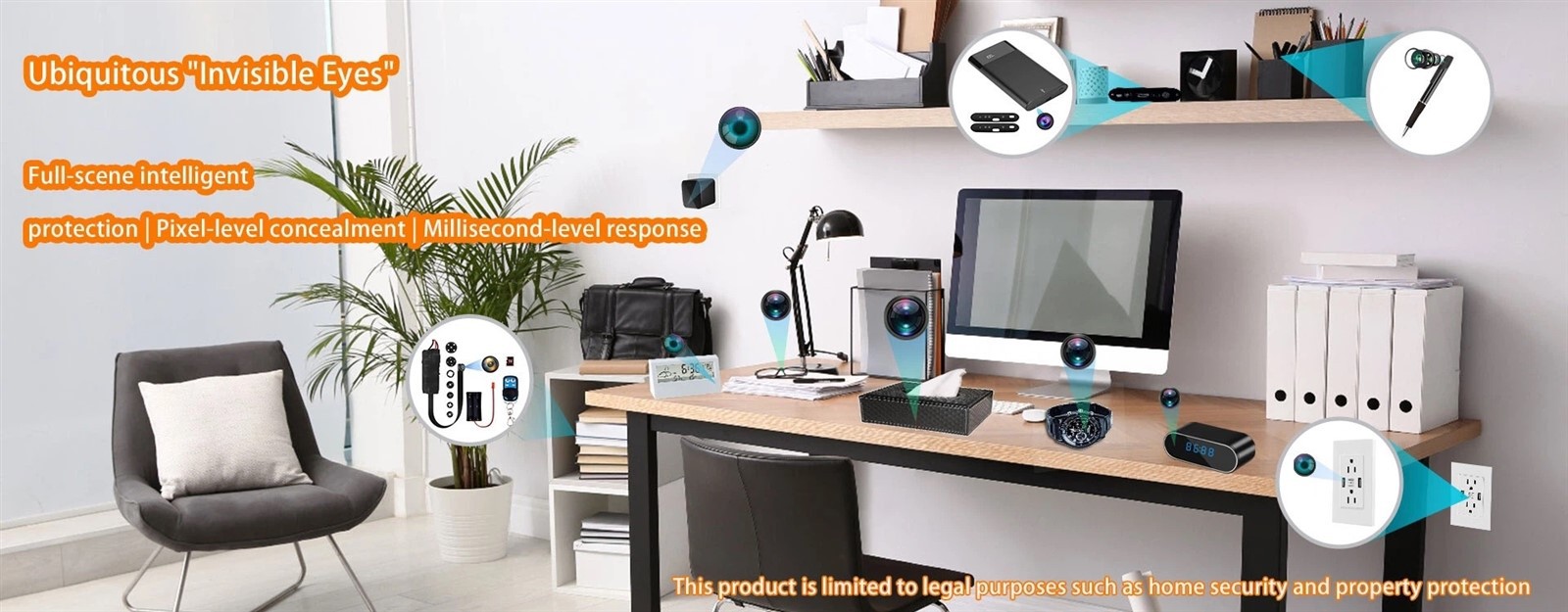
A hidden camera sold into Canada should not be described as a tool for spying on partners, secretly recording tenants, or catching people in private situations. That type of marketing creates problems.
Better product positioning includes:
- home security
- child safety
- elder care
- asset protection
- warehouse monitoring
- retail loss prevention
- lawful workplace security
Product manuals should explain audio settings, storage control, privacy warnings, and prohibited uses. Packaging should avoid illegal-use language.
This is where OEM and ODM support matters. A manufacturer should be able to adjust functions, packaging text, manuals, accessories, and feature defaults for different market requirements.
Check Whether the Device Matches the Intended Use
Not every hidden camera fits every scenario.
A nanny camera, warehouse camera, wearable camera, WiFi camera, and DIY camera module solve different problems.
|
Use Case |
Better Product Direction |
Features to Prioritize |
|
Nanny monitoring |
Shared-space nanny camera |
Stable video, video-only mode, safe angle |
|
Elder care |
Home monitoring camera |
Motion alerts, app access, privacy controls |
|
Front door security |
Compact entry camera |
Narrow angle, night vision, motion detection |
|
Warehouse security |
Long-duration hidden camera |
Storage capacity, battery, stable WiFi |
|
Retail asset protection |
Fixed indoor camera |
Time stamps, access control, limited coverage |
|
OEM brand project |
Custom hidden camera |
Packaging, manual, function configuration |
A device designed for lawful monitoring should fit the use case without collecting more information than needed.
The right hidden camera is not always the most concealed one. It is the one that solves the security need while reducing unnecessary privacy risk.
Conclusion
Hidden cameras are legal in Canada only when they are used responsibly and within clear privacy boundaries.
The device itself is not the whole issue. The real questions are where it is placed, what it records, whether it captures audio, whether people reasonably expect privacy, and whether the purpose is lawful.
A hidden camera should be treated as a security device, not a spying tool.
For brands, importers, and distributors serving the Canadian market, responsible product positioning matters as much as camera performance. Allcam provides OEM and ODM hidden camera solutions[6] for lawful security monitoring, home safety, care support, and asset protection applications, with customizable appearance, functions, packaging, and product documentation. Contact us to discuss hidden camera product development for your market.
FAQ
Are hidden cameras legal to own in Canada?
Yes, hidden cameras are generally legal to own in Canada. The legal risk comes from how they are used. A camera used for lawful security in an appropriate area is different from a hidden camera placed in a private space or used to secretly record conversations.
Are nanny cameras legal in Canada?
Nanny cameras are not automatically illegal in Canada. They are more likely to be acceptable when used for child safety or elder care in shared family spaces such as a living room or playroom. They should not be placed in bathrooms, changing areas, bedrooms used by guests or caregivers, or any private space.
Can hidden cameras record audio in Canada?
Audio recording is more sensitive than video recording because it may capture private conversations. For many security applications, disabling audio is the safer choice. Buyers should check whether the device has a microphone, whether audio is on by default, and whether video-only mode is available.
Can employers use hidden cameras at work in Canada?
Employers should be very cautious. Visible cameras, clear signage, and written surveillance policies are usually safer for routine workplace monitoring. Hidden cameras should only be considered in narrow situations involving a serious security concern, limited scope, and no less intrusive alternative.
Can landlords install hidden cameras in rental properties?
Landlords should not install hidden cameras inside a tenant's private living space. Bedrooms, bathrooms, living areas, and private rental rooms carry strong privacy expectations. Exterior cameras may be used in some situations, but they should be disclosed, limited in angle, and consistent with rental and privacy rules.
Can tenants install hidden cameras in Canada?
Tenants may use cameras for personal security in some private living spaces, but they should be careful when recording shared hallways, condo common areas, neighbours, or other tenants. Building rules, landlord permission, condo policies, and privacy expectations may apply.
Can a hidden camera point at a neighbour's property?
A camera should not be aimed at a neighbour's private areas, such as bedroom windows, backyards, pools, or family activity spaces. Even if the camera is installed on your own property, recording someone else's private life can create legal and civil disputes.
Are hidden cameras allowed in Airbnb or hotel rooms in Canada?
Hidden cameras in hotel rooms, Airbnb bedrooms, bathrooms, or private guest areas should be treated as extremely high-risk. They may violate privacy laws, platform rules, and guest trust. Exterior security cameras, if used, should be disclosed and limited to appropriate areas.