


A hidden camera , also called a covert camera or spy camera, is a surveillance device designed to record video while blending into everyday objects so it stays unnoticed. Manufacturers like Hytech specialize in these concealed solutions for people who need discreet monitoring without drawing attention.
Security needs differ. Some install them to protect a home from theft, others to check on caregivers or elderly family members. Whatever the reason, picking the wrong model wastes money and leaves gaps in coverage. This guide walks through the real decision process we see from customers every week.
Identify Your Primary Surveillance Goal
Start here. Before looking at any product specs, write down exactly what you want the camera to do. Vague goals lead to mismatched purchases.
Common objectives include:
- Monitoring children or caregivers (often called nanny cam use) in living areas
- Protecting assets in an office or retail space
- Checking on elderly relatives for safety without invading routines
- General home security against break-ins
Your goal shapes everything else. For caregiver monitoring, you need something that looks completely ordinary in a living room or child's play area. For business theft prevention, you may need wider coverage and clearer detail for identification.
Define the room, the time of day you need coverage, and whether you must view footage remotely. This single step narrows options fast and prevents buying features you will never use.
Choose the Right Disguise and Placement
The whole point of a hidden camera is that nobody knows it is there. Placement and disguise decide whether the device works or gets spotted immediately.
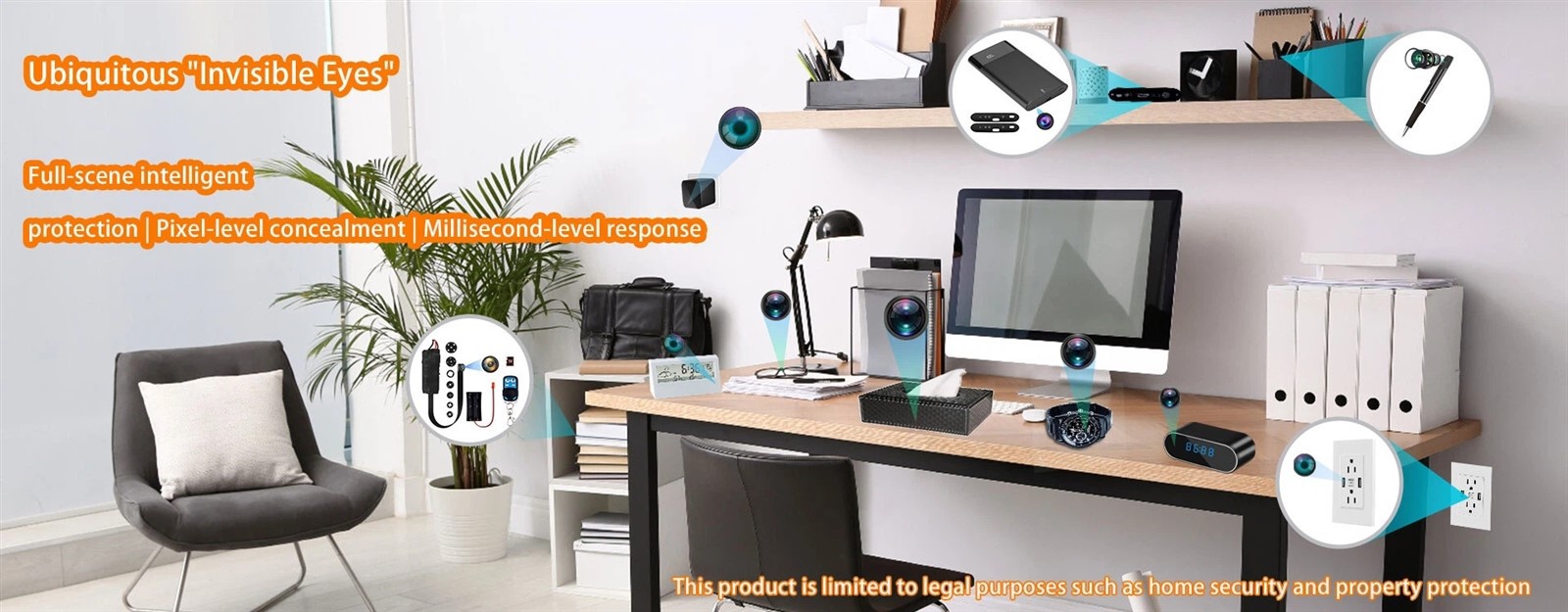
Popular disguises that actually work in real environments include:
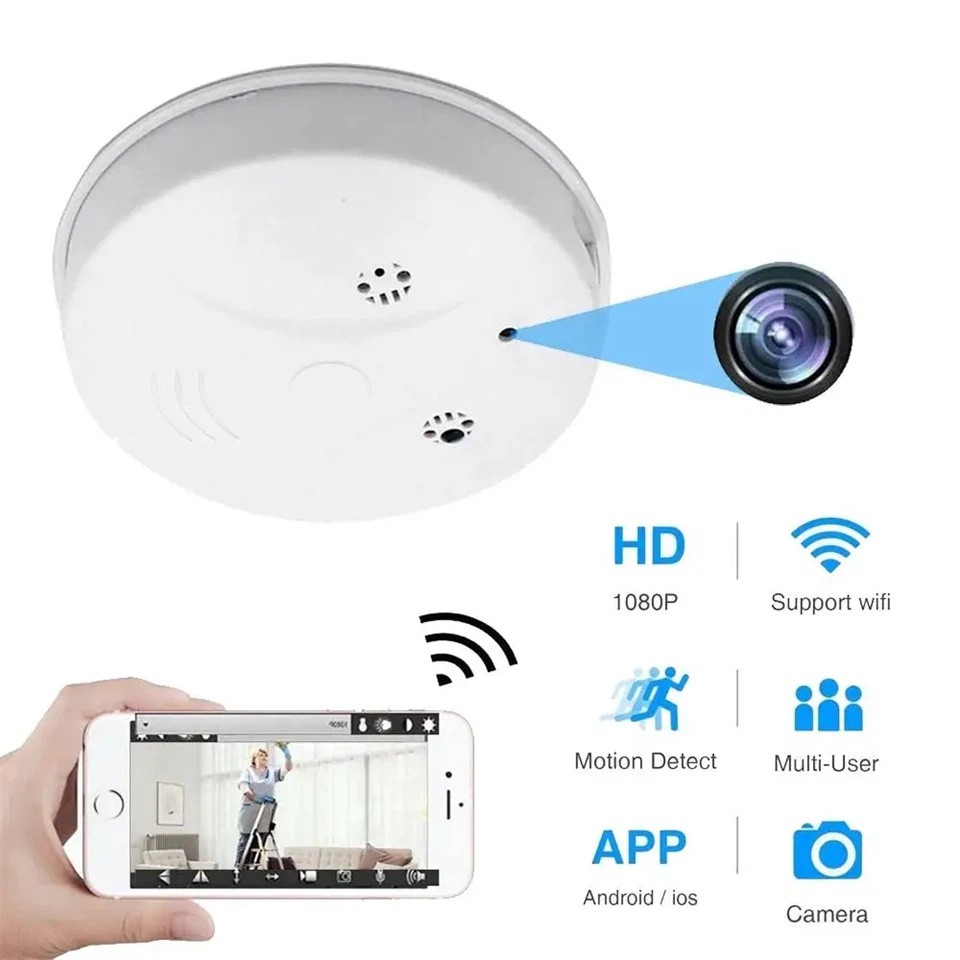
- Smoke detector style - sits naturally on ceilings in living rooms or offices and gives broad coverage
- Wall clock or alarm clock - blends into shelves or walls in common areas
- USB charger or power outlet - looks like standard electronics and works well near desks or counters
- Picture frame or small speaker - useful in more decorative spaces
When choosing, look at what already belongs in the room. A smoke detector in a kitchen might seem odd, but a charger near an outlet feels normal. Consider power access too. If the device needs a constant plug, it must sit near an outlet. Also think about whether people move the object often - clocks on shelves stay put better than items on tables.
Test the angle before final installation. A camera with a wide field of view still fails if it points at a wall or gets blocked by furniture. Many users learn this the hard way after setup.
Key Features to Consider
Once you know where and why you need the camera, evaluate the technical side. Focus on what actually matters for security use rather than marketing numbers.
Video Quality
Resolution drives identification. 1080p works for basic monitoring, but 4K delivers clearer faces, clothing details, and license plates when needed. In 2026, 4K has become the practical standard for serious hidden cameras because lower resolutions often leave footage unusable in court or for insurance claims.
Night Vision
Most indoor security happens in low light. Look for infrared (IR) night vision that does not produce visible red glow - it keeps the camera truly hidden. Effective range varies; some models reach 20-30 feet in complete darkness with usable detail.
Power Source and Battery Life
AC-powered (plugged-in) cameras run continuously without worrying about charge levels, making them reliable for long-term fixed locations. Battery-powered models offer more placement flexibility but require motion-activated recording to stretch runtime. Recent models can deliver 15-19 hours of continuous use or days in standby with smart detection.
Storage and Connectivity
Choose based on how you want to access footage:
- SD card local storage works offline and avoids internet dependency, but you must physically retrieve the card.
- Wi-Fi models with a smartphone app allow live viewing and push notifications from anywhere. They usually support cloud backup as well.
Motion Detection
This feature saves storage and review time by recording only when activity happens. Good systems reduce false triggers from shadows or pets.
Here is a quick comparison of typical specification levels:
|
Feature |
Entry Level |
Recommended for Security Use |
|
Resolution |
1080p |
4K |
|
Night Vision Range |
10-15 ft |
20-30 ft (IR, no visible glow) |
|
Power |
Short battery life |
AC or long-life battery + motion mode |
|
Connectivity |
SD card only |
Wi-Fi + app + notifications |
|
Motion Detection |
Basic |
AI-assisted to reduce false alerts |
Prioritize 4K, solid night vision, and reliable motion detection for most home and small business setups. Extra bells and whistles rarely justify the cost if core recording quality falls short.
Matching Hidden Cameras to Your Security Needs
Different situations call for different combinations.
For home security against intruders, a smoke detector style with wide angle and strong night vision covers living areas well. Caregiver or elderly monitoring benefits from a charger or clock disguise placed where daily activity happens, plus reliable app notifications so you can check in remotely without constant watching.
Office use often favors outlet or clock styles near workstations or entry points. Here, clear facial identification matters more, so 4K resolution plus decent storage becomes critical.
Match the disguise to the environment first, then layer on the parameters that support your goal. A beautifully disguised camera with poor night vision still leaves you blind after sunset.
Legal and Ethical Considerations
Hidden cameras operate in a sensitive area. Video recording in your own property is generally allowed in the United States, but you must respect reasonable expectation of privacy.
Avoid installing cameras in bathrooms, bedrooms, or any space where people reasonably expect privacy. This rule holds even in your own home if guests or caregivers use the area.
For audio, most states follow one-party consent rules - you can record if you are part of the conversation. A smaller number of states require all-party consent. Many hidden camera users disable audio entirely to stay safe and simple. Check your specific state laws, especially if you operate across borders.
The safest approach: use video only, limit placement to common areas, and document your security purpose. When in doubt, consult local regulations or a lawyer. Responsible use protects both your security and your legal position.
Common Pitfalls and How to Avoid Them
Buyers often chase the cheapest option and end up with blurry footage or devices that die after a few weeks. Low-resolution models or weak night vision fail exactly when you need evidence most.
Another frequent mistake is skipping real-world testing. A camera may look perfect on paper but miss key areas once mounted. Always set it up temporarily and check the view before permanent installation.
Ignore network security on Wi-Fi models and you risk someone else accessing your feed. Choose devices with proper encryption and strong app passwords.
Finally, pick manufacturers that focus specifically on concealed designs rather than general security cameras. Experience in small-form-factor engineering shows up in better lens placement, heat management, and realistic disguises.
Decision Framework and Next Steps
Put it together like this:
- Define the exact goal and room.
- Select a disguise that belongs there.
- Match resolution, night vision, power, and connectivity to the need.
- Verify legal compliance for your location.
- Test coverage before committing.
At Hytech , we build hidden cameras with these real-world requirements in mind - high-fidelity 4K options, effective IR night vision, flexible power solutions, and disguises that pass everyday scrutiny.
If you have a specific setup in mind, review our current nanny camera lineup or reach out with your requirements.