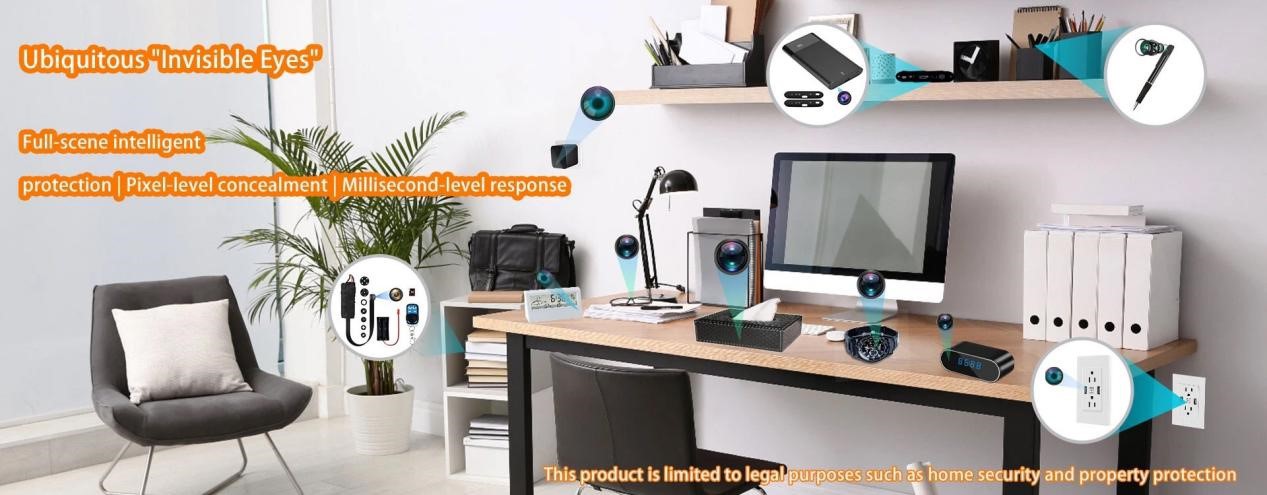

When sourcing hidden cameras for your business, choosing between a factory and a trading company can significantly impact your procurement process. Each option presents its own set of advantages and challenges, depending on your specific needs. This article outlines the key differences between hidden camera factories and trading companies, providing B2B buyers with clear guidance on how to make the right choice based on order volume, customization requirements, and product variety.

Understanding the Key Differences: Factory vs Trading Company
What is a Factory?
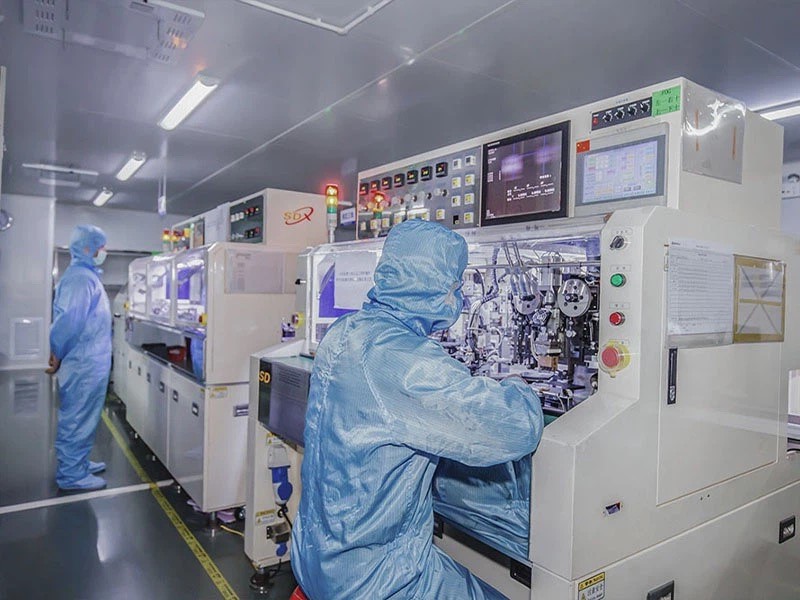
A hidden camera factory is a manufacturer that produces the actual product, usually with direct control over production processes, quality standards, and technical specifications. Factories typically specialize in producing a specific category of products, which allows them to offer in-depth technical knowledge and customized solutions.
What is a Trading Company?
A trading company, on the other hand, does not produce the products themselves. Instead, they act as intermediaries, sourcing products from multiple manufacturers. These companies provide a broader range of products but usually offer limited customization and less direct control over the manufacturing process.
Key Advantages and Disadvantages
Factory Advantages
- Lower Cost – By cutting out the middleman, factories typically offer better pricing, especially for large orders.
- Customization – Factories are more equipped to handle customization requests such as special designs or specific technical specifications.
- Quality Control – Since the factory controls production, they can implement strict quality checks, ensuring better product consistency.
- Direct Communication – Engaging directly with the factory means fewer misunderstandings and more transparency in the production process.
Factory Disadvantages
- High Minimum Order Quantities (MOQ) – Factories often require bulk orders, which may not suit smaller businesses or those testing the market.
- Limited Product Variety – Factories typically specialize in a narrow range of products, which could limit your choices if you require different types of hidden cameras.
- Communication Barriers – In some cases, especially with overseas manufacturers, language or time-zone differences can lead to slower communication or misunderstandings.
Trading Company Advantages
- Flexible MOQ – Trading companies tend to have more flexible ordering terms, allowing you to place smaller orders to test the market or match fluctuating demand.
- Product Variety – A trading company usually offers a wide range of products from different manufacturers, which makes it easier for you to source various types of hidden cameras from a single supplier.
- Better Customer Service – Trading companies often provide more proactive customer service and handle complex logistics, which can be beneficial for companies that are new to international sourcing.
Trading Company Disadvantages
- Higher Unit Costs – Trading companies typically add a markup to the products they sell, meaning you pay more per unit compared to dealing directly with a factory.
- Less Control Over Quality – As intermediaries, trading companies often have limited visibility into the production process, which can impact the consistency of product quality.
- Limited Customization – Since trading companies do not own manufacturing capabilities, they are usually unable to offer customized products or specialized technical features.
When to Choose a Factory vs a Trading Company
Choose a Factory If:
- Large Volume Orders: If you need to purchase in bulk (typically 500-1000 units or more), factories are better suited for large-scale production and can offer the best pricing.
- Customization Requirements: If you have specific design or technical requirements-such as unique features or branding needs-factories are typically more flexible and able to provide the customizations you need.
- Long-Term Supplier Relationships: Factories are ideal for building long-term partnerships where you can rely on consistent quality and pricing, especially if your order volume increases over time.
Choose a Trading Company If:
- Small-to-Medium Orders: If your initial order is smaller or you're still testing the market with different types of hidden cameras, a trading company can provide you with flexibility without the high MOQ typically required by factories.
- Variety of Products: If you need different types of hidden cameras (e.g., spy cameras, Wi-Fi cameras, camera modules), a trading company can provide multiple options from various suppliers, which may not be possible through a factory that specializes in only one type.
- Faster Turnaround and Convenience: Trading companies typically hold inventory, which enables them to offer quicker shipping and more convenient access to ready-made products.
How to Verify the Reliability of Your Supplier
1. Check the Business License
For both factories and trading companies, it's essential to verify that they are legally registered businesses. Request a copy of their business license , which should clearly indicate whether they are a manufacturer or a trader. A legitimate factory will have "manufacturing" listed in their business scope, whereas a trading company will list "trading" or "import/export."
2. Inspect Samples and Product Quality
Before placing a large order, always request samples to evaluate the quality of the product. This step is crucial, especially for hidden cameras, where technical features like camera resolution and durability are vital. A factory is more likely to provide precise specifications and guarantees regarding the product quality.
3. Verify Production Capabilities
Request a virtual tour of the factory or a live video call to confirm the production capabilities and facilities. A reputable factory will be transparent about its operations, while a trading company may not have access to such detailed information.
4. Review Certifications
Ensure that your supplier has the necessary certifications for the market you are selling in. For example, a factory exporting to Europe or the U.S. should have certifications like CE or RoHS to ensure compliance with international safety and environmental standards.
Conclusion: Making the Right Choice
Choosing between a factory and a trading company depends on your specific business needs. If your goal is to secure low-cost, high-quality, and customized products for large-scale orders, working directly with a factory is the best option. However, if you need flexibility, product variety, or a smaller initial order, a trading company may be more suitable.
At Allcam we run our own production lines in Shenzhen and ship directly to B2B partners worldwide. If you want to compare a real factory quote against your current supplier, send us your current spec sheet. We'll provide pricing, MOQ, and a short production video within 24 hours - no obligation, just clear numbers.
Drop us a message on the contact form or reply to this post. We're happy to show you the difference from the factory floor.